
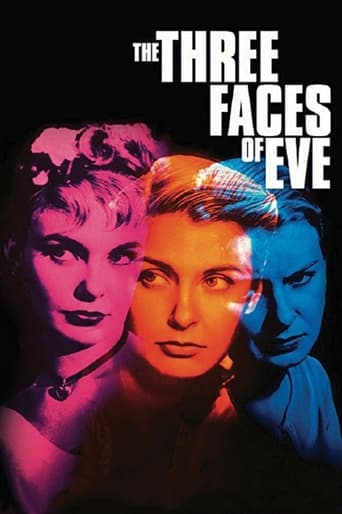
 ★ 7.2The Three Faces of Eve1957 · Nunnally Johnson
Classic films, 1930 to 1969
DuaFile
179 films from Hollywood and Britain, 1930 to 1969, each with its cast, its director and a Watch now button.
179films
4decades
117directors
401930 to 1969
Top rated
See all (31) →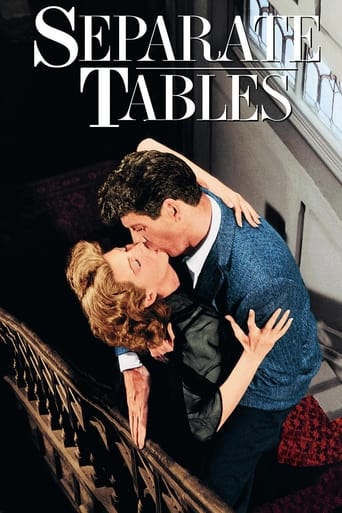 ★ 7.1
★ 7.1 ★ 7.2
★ 7.2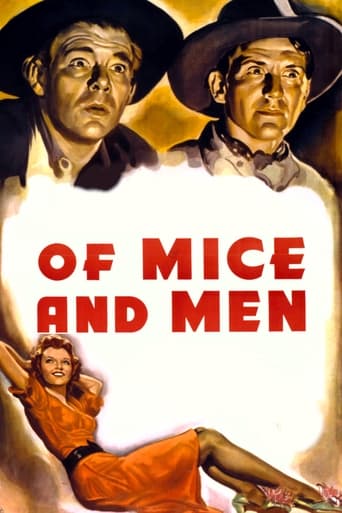 ★ 7.3
★ 7.3 ★ 7.0
★ 7.0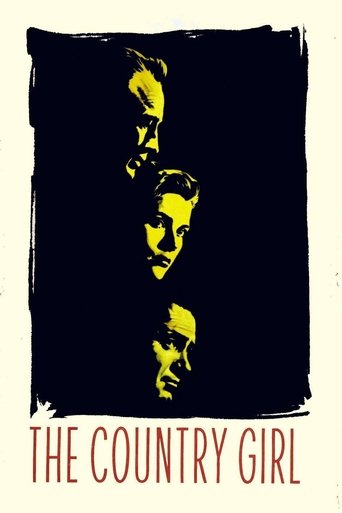 ★ 7.0
★ 7.0The 1930s
See all (56) →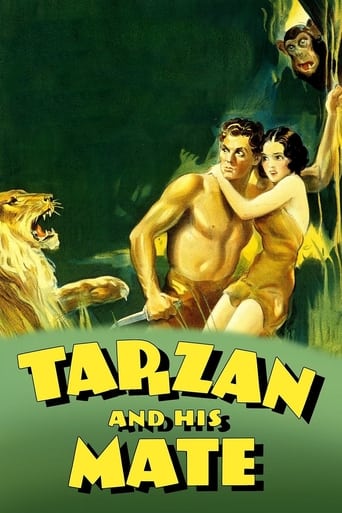 ★ 6.6
★ 6.6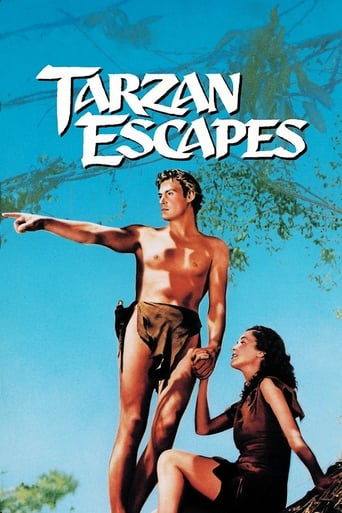 ★ 6.9
★ 6.9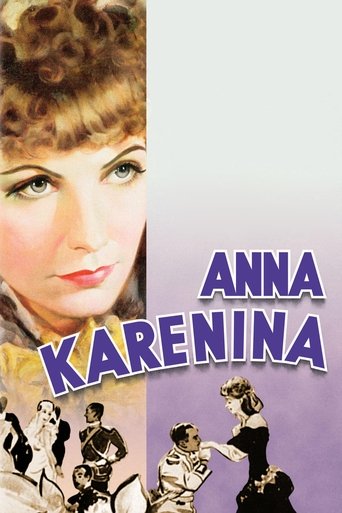 ★ 6.6
★ 6.6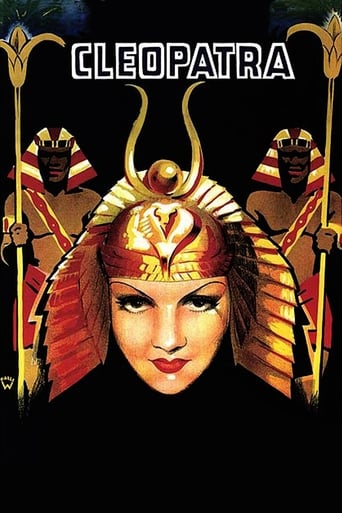 ★ 6.1
★ 6.1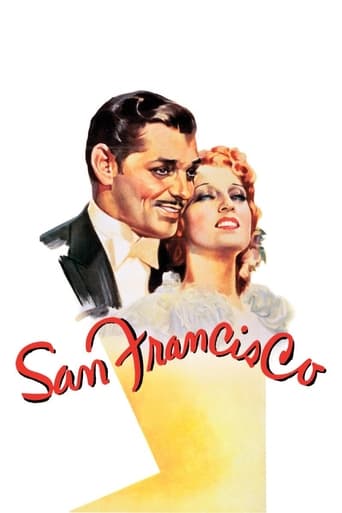 ★ 6.6
★ 6.6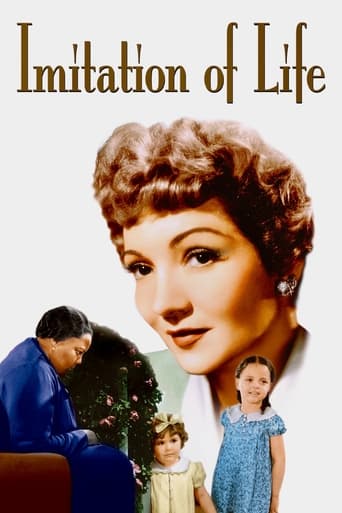 ★ 7.0
★ 7.0The 1940s
See all (54) →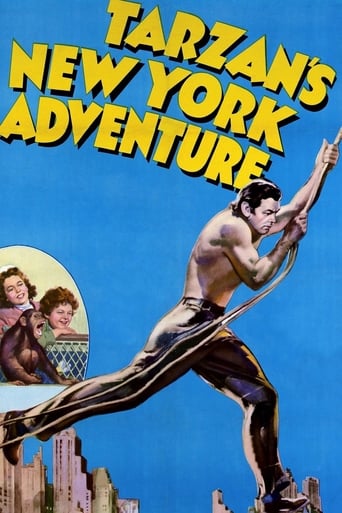 ★ 6.4
★ 6.4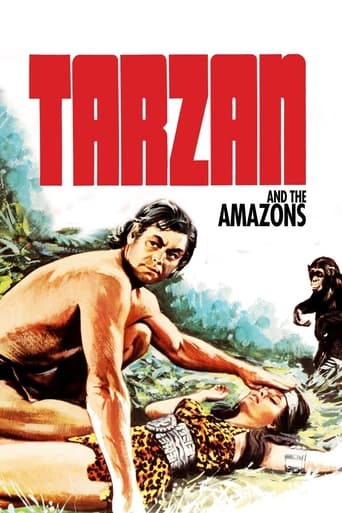 ★ 6.4
★ 6.4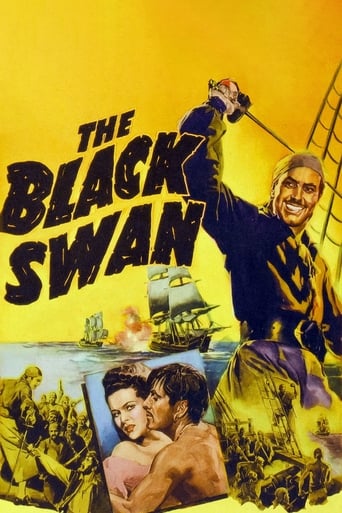 ★ 6.5
★ 6.5 ★ 6.9
★ 6.9 ★ 6.9
★ 6.9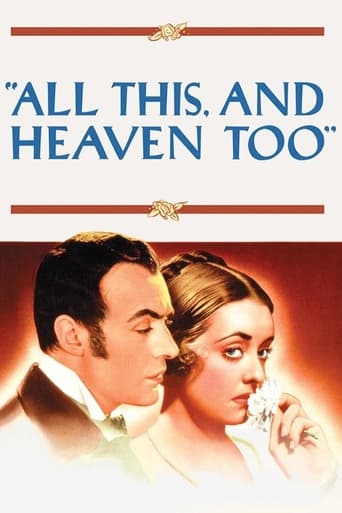 ★ 7.2
★ 7.2The 1950s
See all (43) →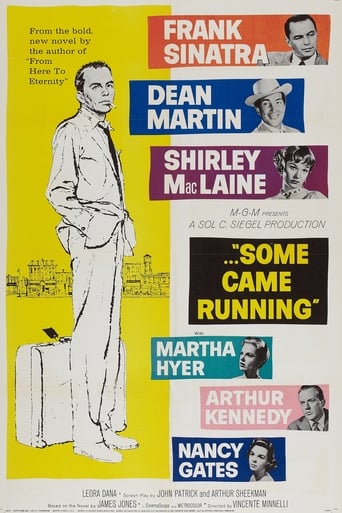 ★ 7.0
★ 7.0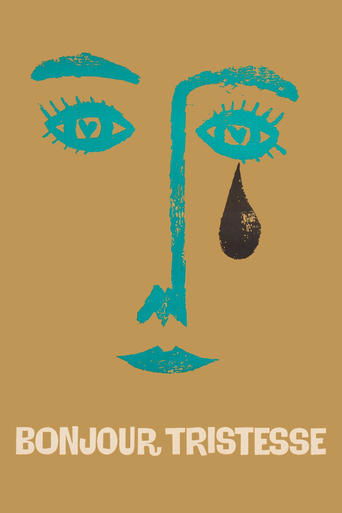 ★ 6.7
★ 6.7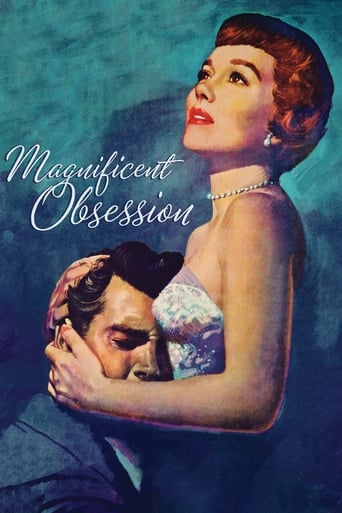 ★ 6.9
★ 6.9 ★ 6.8
★ 6.8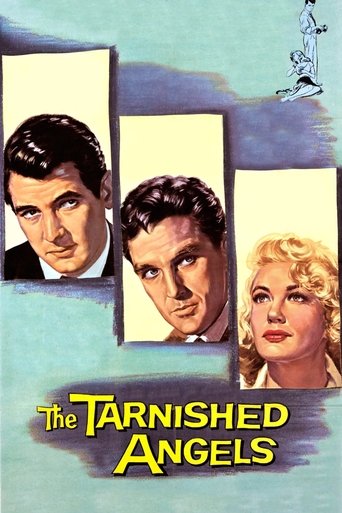 ★ 6.8
★ 6.8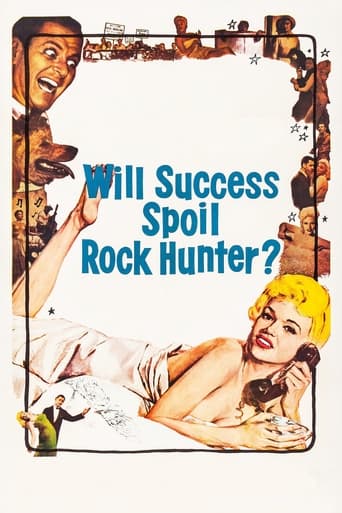 ★ 6.8
★ 6.8The 1960s
See all (26) →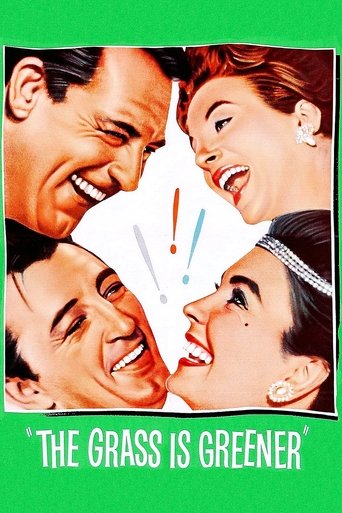 ★ 6.4
★ 6.4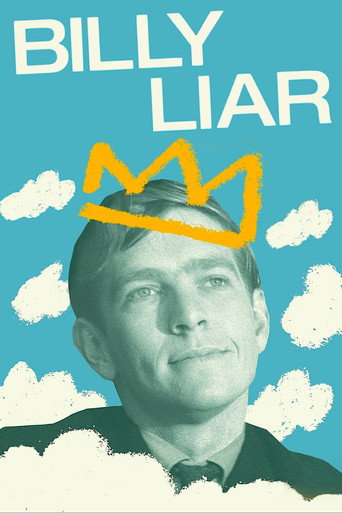 ★ 6.8
★ 6.8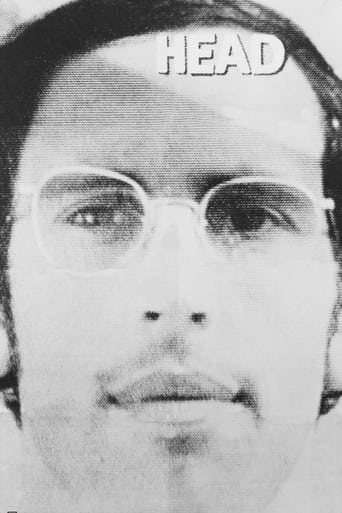 ★ 6.2
★ 6.2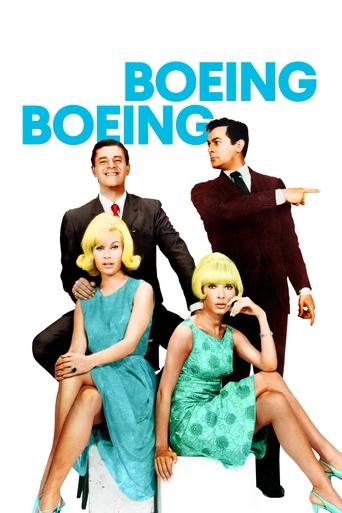 ★ 6.4
★ 6.4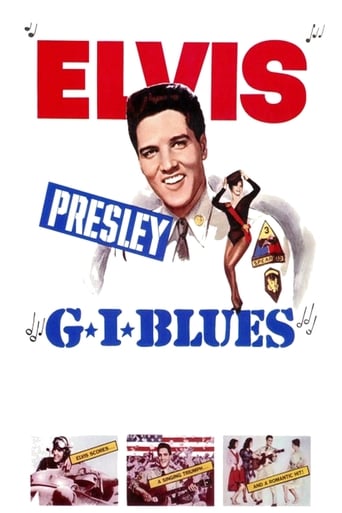 ★ 6.5
★ 6.5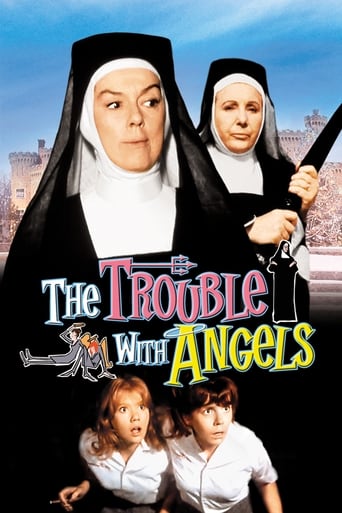 ★ 6.7
★ 6.7The DuaFile guide to classic films
DuaFile: classic films of the 1930s to the 1960s, with The Three Faces of Eve, Tarzan and His Mate, Bonjour Tristesse, Some Came Running, The Grass Is Greener, Magnificent Obsession and Separate Tables
Between the coming of sound and the end of the 1960s, the film studios of Hollywood and Britain turned out thousands of pictures a year, and a surprising number of them are still a pleasure to watch. They were made by people who knew their trade: writers who could shape a story in ninety minutes, cameramen who could light a face like a painting, and stars whom audiences went to see as they might visit friends. DuaFile is a guide to 179 of these films, made between 1930 and 1969. Some are famous and some have been waiting years for a new audience. Each has a page with its cast, its director and a Watch now button that leads to the official services carrying it.
Fifty-six of the films come from the 1930s, fifty-four from the 1940s, forty-three from the 1950s and twenty-six from the 1960s. Eighty are comedies and a hundred and four are romances, with a good deal of overlap; twenty-two are musicals or films about music, twenty-nine are adventures, and twenty-one were made in Britain. The work of 117 directors is represented. This guide takes the four decades in turn, then looks across them at comedy, romance, musicals, adventure and films from books, at directors and stars, and closes with the search, My List and a plan for a first fortnight.
What DuaFile is
DuaFile is a viewing guide. Each of its 179 pages describes one film: its story, the year in which it was made, its director, its leading actors and its running time. At the top of each page is a Watch now button with a country selector beside it. Choose the country you are in, press the button, and JustWatch opens with the services that carry the film there, whether by subscription, rental, purchase or free with advertising. The how to watch page sets out the three steps in brief.
The selection was made by hand, one summary at a time, with a mixed household in mind. It favours comedy, romance, music, adventure and drama drawn from good books, and it leaves aside the gangster pictures, the war films and the thrillers for which the period is also known. The films of these decades were made under a code that kept them suitable for general audiences, and most of the catalogue can be watched by three generations together.
Old films are easier to find than they used to be. Many have been restored and are offered by the large services and by specialist ones devoted to the classics; a good many of the earliest can be watched free. Availability changes from month to month and from country to country, which is why each page leads to a live list instead of naming a single service.
How the pages are arranged
The site is midnight blue, with soft glows of blue and violet behind the top of each page and one bright gradient, from blue to cyan, on the buttons. A slim bar holds the logo, the menu with its four decades, the search field and the My List button.
The home page opens like the front page of a library. A centred heading stands above two buttons and a row of round chips, one for each decade, which jump to the rows below. Under it runs a line of seven kinds of film, each with its count, and then four figures in glass panels: the number of films, of decades, of directors and of years covered. The rest of the page is rows of six rounded posters, each with its score in a corner and its title, year and director beneath: first the top-rated films, then the 1930s, the 1940s, the 1950s and the 1960s, every row with a link to the full shelf. On a telephone the rows show three posters, the figures stand two by two, and the three-bar button opens the menu with a search field of its own.
The 1930s
Fifty-six films date from the 1930s, and the guide to the 1930s sorts them. It was the decade in which the talking picture found its voice. The earliest film in the catalogue, Holiday of 1930, already has it: a young man engaged to an heiress would like to earn a little money and then take a few years off to find out what life is for, and finds that it is her unconventional sister who understands him. Two years later One Hour with You shows how far the form had come. Ernst Lubitsch directs Maurice Chevalier and Jeanette MacDonald as a happily married Parisian couple troubled by her flirtatious best friend, and Chevalier turns to the camera to ask the audience what they would do in his place.
Comedy flourished. Bombshell is a satire on Hollywood itself, with Jean Harlow as a film star at the mercy of her studio's publicity man. Fifth Avenue Girl has Ginger Rogers as an unemployed young woman hired by a neglected millionaire to make his family notice him, and Topper Takes a Trip sends a timid banker to the Riviera in the company of a mischievous ghost. The great clowns of the silent years adapted in their own ways: Harold Lloyd plays a missionary's innocent son who becomes mayor of a crooked town in The Cat's-Paw, W.C. Fields an unlucky inventor in You're Telling Me!, and Douglas Fairbanks, in Mr. Robinson Crusoe, a yachtsman who wagers that he can live on a desert island in comfort. Will Rogers, the most beloved American of his day, made Judge Priest and Steamboat Round the Bend for John Ford shortly before his death.
The studios raided the library with confidence. MGM's A Tale of Two Cities gives Ronald Colman the part of Sydney Carton and stages the fall of the Bastille with a cast of thousands. Les Misérables has Fredric March as Jean Valjean and Charles Laughton as the policeman Javert, Anna Karenina has Greta Garbo, Romeo and Juliet has Norma Shearer and Leslie Howard, and The Prince and the Pauper has Errol Flynn and a pair of real twins. The Good Earth, from Pearl Buck's novel of a Chinese farming family, was two years in the making and won Luise Rainer her second Academy Award in succession. Of Mice and Men, filmed within two years of the book's publication, remains the best version of Steinbeck's story, with Burgess Meredith as George and Lon Chaney Jr. as Lennie and a score by Aaron Copland.
The dramas of the decade are franker and more adult in feeling than their reputation suggests. Imitation of Life follows two widowed mothers, one white and one black, who build a business together, and the daughter of the second, who is light enough to pass for white and breaks her mother's heart by doing so; Claudette Colbert and Louise Beavers play the mothers. These Three, directed by William Wyler from a play by Lillian Hellman, shows two young teachers and a doctor ruined by a schoolgirl's lie. Three Comrades, on which F. Scott Fitzgerald worked, is a love story among three friends in Germany after the First World War, with Margaret Sullavan luminous as the girl they all cherish. In Name Only has Cary Grant, in a rare serious part, as a man held to a loveless marriage, and Carole Lombard as the widow he loves. What Price Hollywood? tells of a waitress who becomes a star as the director who discovered her declines, a story the cinema has told many times since, and A Bill of Divorcement introduced a young stage actress named Katharine Hepburn.
Spectacle was the other glory of the decade. San Francisco sets a love story between a saloon keeper, played by Clark Gable, and a singer, played by Jeanette MacDonald, on the eve of the earthquake of 1906, and then brings the city down in twenty minutes that still astonish. John Ford's The Hurricane does the same for a South Sea island. Cecil B. DeMille's Cleopatra floats Claudette Colbert down the Nile on a barge the size of a theatre. Show Boat, the 1936 version directed by James Whale, is the finest film of the famous musical, with Irene Dunne, Helen Morgan and Paul Robeson, whose singing of the river song is one of the great moments of the American screen. Lloyd's of London made a star of Tyrone Power, Tarzan and His Mate and Tarzan Escapes are the best of the jungle adventures, and Shirley Temple, the biggest attraction of the middle years of the decade, appears in The Little Colonel, Dimples and Ford's Wee Willie Winkie.
The 1940s
Fifty-four films date from the 1940s, and the guide to the 1940s introduces them. The decade belonged, in drama, to its actresses. Bette Davis is at her height in All This, and Heaven Too, as a governess in the household of a French duke, played by Charles Boyer, whose devotion to her brings down a scandal; in The Great Lie, opposite Mary Astor, who won an Academy Award as a concert pianist of magnificent selfishness; and, for a change, in the comedy The Bride Came C.O.D., in which James Cagney flies her into the desert and both sit down in a cactus. Olivia de Havilland won her first Academy Award for To Each His Own, as a woman who watches her son grow up as another's. Greer Garson, in Blossoms in the Dust, plays the Texan who founded a home for children and changed the law on their behalf, and Jennifer Jones is Flaubert's heroine in Vincente Minnelli's Madame Bovary, whose ballroom waltz is a famous piece of film-making.
Fantasy had a good decade. All That Money Can Buy retells the legend of a New Hampshire farmer who sells his soul and of the great orator who defends him before a jury of the damned; Walter Huston is a twinkling and unforgettable Devil, and Bernard Herrmann's music won him an Academy Award. Cabin in the Sky, the first film directed by Vincente Minnelli, is a musical fable with an entirely black cast, among them Ethel Waters, Eddie Anderson and Lena Horne, about the struggle for one easy-going man's soul. The Enchanted Cottage is a small and delicate romance about a disfigured flier and a plain young woman who seem beautiful to each other within the walls of one house, and in Holy Matrimony a shy and celebrated painter, played by Monty Woolley, lets the world believe that he has died and takes his valet's name, his valet's lodgings and, to his surprise, his valet's prospective bride, played by Gracie Fields.
Laughter and music kept spirits up in the war years. Bing Crosby, Bob Hope and Dorothy Lamour set out on the Road to Singapore in 1940 and found a formula that lasted twenty years; Road to Zanzibar, Road to Morocco and Road to Rio followed. The studios paraded their stars in revues: Warner Bros. in Thank Your Lucky Stars, where Bette Davis sings and Errol Flynn dances, and in Hollywood Canteen, set in the club where film people really did wait on servicemen; MGM in Thousands Cheer, with Gene Kelly dancing with a mop. Mickey Rooney and Judy Garland put on a show in Babes on Broadway, Betty Grable was the forces' favourite in Pin Up Girl and Springtime in the Rockies, and Danny Kaye arrived with The Kid from Brooklyn, as a milkman who becomes a prizefighter by accident.
The quieter films wear well. The Human Comedy, from William Saroyan's story, shows a small Californian town through the eyes of a boy who delivers telegrams, some of which bring the worst of news. One Foot in Heaven follows a minister and his family from parish to parish. I'll Be Seeing You is a Christmas romance between two people with things to hide, played by Ginger Rogers and Joseph Cotten. Pinky, directed by Elia Kazan, was one of the first Hollywood films to face racial prejudice directly. The Hucksters has Clark Gable as an advertising man recovering his self-respect, with Deborah Kerr in her first American part; June Bride, Good Sam, Casanova Brown, Too Many Husbands and Week-End at the Waldorf are comedies of marriage; and Bill and Coo is a curiosity that won a special Academy Award, a village romance acted entirely by trained birds.
Britain, meanwhile, was making films of a new assurance. Major Barbara, shot in London during the air raids of 1940, brings Bernard Shaw's comedy of a Salvation Army officer and her armaments-making father to the screen with Wendy Hiller, Rex Harrison and Robert Morley. Perfect Strangers is about a dull clerk and his dowdy wife, played by Robert Donat and Deborah Kerr, who are changed so much for the better by three years in uniform that each dreads meeting the other again. The Seventh Veil, with James Mason as the guardian of a troubled pianist, was the British success of 1945, and The Passionate Friends, directed by David Lean, is a restrained and beautiful study of a woman who chose security over love.
The 1950s
Forty-three films date from the 1950s, and the guide to the 1950s lists them. Colour and the wide screen arrived to compete with television, and one director used them better than anyone. Douglas Sirk, a refugee from the German theatre, made a series of emotional dramas for Universal that were dismissed at the time as women's pictures and are now studied as works of art. Five are here. Magnificent Obsession made a star of Rock Hudson, as a careless playboy who causes a woman's blindness and remakes his whole life to deserve her. All I Desire brings Barbara Stanwyck home to the family she left for the stage. There's Always Tomorrow, perhaps the saddest, shows a toy manufacturer, played by Fred MacMurray, taken for granted by his own household. The Tarnished Angels, from a novel by William Faulkner, follows a troupe of stunt fliers, and Captain Lightfoot is an adventure filmed in Ireland.
It was a decade of prize-winning performances. In The Three Faces of Eve, the most followed film on DuaFile, Joanne Woodward plays a quiet Southern housewife who proves to be three different women, and won the Academy Award. Grace Kelly won hers for The Country Girl, against her usual elegance, as the worn wife of a singer, played by Bing Crosby, who is trying to return to the stage. Separate Tables, set in a small hotel at an English seaside resort where the permanent guests dine alone, brought awards to David Niven, as a retired major whose stories are too good to be true, and to Wendy Hiller as the proprietress. Some Came Running, directed by Vincente Minnelli, has Frank Sinatra as a writer back in his home town, Dean Martin as a gambler who keeps his hat on, and Shirley MacLaine in the part that made her name. The Man in the Gray Flannel Suit, with Gregory Peck, gave its title to a whole way of life.
Otto Preminger filmed Françoise Sagan's Bonjour Tristesse on the Riviera, with the remembered summer in glowing colour and the present in black and white, and with Jean Seberg, whom he had discovered for Saint Joan the year before, as the girl who meddles in her father's love affairs. Pandora and the Flying Dutchman, photographed by Jack Cardiff on the Spanish coast, casts Ava Gardner as a woman whom every man loves and James Mason as the cursed sea captain for whom she has been waiting. Carrie, from Theodore Dreiser, gives Laurence Olivier one of his finest screen parts as a respectable man undone by love, and Beau Brummell, The Virgin Queen, in which Bette Davis plays Elizabeth I for the second time, and Bhowani Junction, set in India in 1947, are handsome costume pieces.
The comedies caught a prosperous and anxious age. Will Success Spoil Rock Hunter? is Frank Tashlin's cartoon-bright satire on advertising and television, with Tony Randall as a copywriter who becomes famous as the supposed sweetheart of a film star. Phffft gave Jack Lemmon and Judy Holliday a divorced couple to play, The Reluctant Debutante gave Rex Harrison and Kay Kendall the London season, and Ask Any Girl and The Perfect Furlough are bright romantic farces. Jerry Lewis went solo in The Delicate Delinquent and The Geisha Boy, Danny Kaye is a ventriloquist with a dummy that speaks its mind in Knock on Wood, and The Chaplin Revue gathers three of Charlie Chaplin's short masterpieces of 1918 to 1923 with music he composed for them forty years later. Good Morning, Miss Dove, Miracle in the Rain, A Summer Place and The Best of Everything are romances of the kind the decade loved.
The 1960s
Twenty-six films date from the 1960s, and the guide to the 1960s picks them out. In Britain a new generation was looking at ordinary lives. Billy Liar, directed by John Schlesinger, is about an undertaker's clerk in a northern town, played by Tom Courtenay, who lives in daydreams and tells lies to three fiancees, and about the free-spirited girl, played by Julie Christie, who offers him a way out. The Family Way is a tender comedy about a young couple starting married life in his parents' crowded house, with Hayley Mills, her father John Mills and music by Paul McCartney. Tunes of Glory sets Alec Guinness, as a hard-drinking officer risen from the ranks, against John Mills as the correct colonel sent to replace him; it is one of the great acting duels. Heavens Above! has Peter Sellers as a clergyman who takes his faith literally, to the alarm of his parish, and Othello records Laurence Olivier's celebrated stage performance, with Maggie Smith as Desdemona.
Hollywood's old masters were still at work. Preminger's Advise & Consent takes the camera into the United States Senate for a battle over a president's nominee, with Henry Fonda, Walter Pidgeon and, in his last part, Charles Laughton as a Southern senator of serpentine courtesy. Two for the Seesaw is a two-handed love story for Robert Mitchum and Shirley MacLaine, Fanny a romance of the Marseille waterfront with Leslie Caron, Maurice Chevalier and Charles Boyer, and Hawaii an epic of missionaries in the islands from James Michener's novel. The Heart Is a Lonely Hunter, from Carson McCullers, has Alan Arkin as a deaf man in a Southern town to whom the lonely bring their troubles, and The Reivers, from Faulkner's last novel, sends a boy, a rascal played by Steve McQueen and a borrowed motor car to Memphis in 1905.
The comedies of the decade are sunny. The Grass Is Greener, directed by Stanley Donen, puts Cary Grant and Deborah Kerr in an English stately home open to the public, and brings an American oil millionaire, played by Robert Mitchum, through the door marked private. The Trouble with Angels, directed by Ida Lupino, sets two irrepressible pupils, one of them Hayley Mills, against the Mother Superior of their convent school, played by Rosalind Russell. Boeing, Boeing, A New Kind of Love, My Geisha, The Honeymoon Machine and The Great Impostor, the true story of a man who passed himself off as a surgeon, a monk and a prison governor, are farces of the jet age. At the end of the decade come three oddities: Smashing Time, a slapstick tour of swinging London; Head, the anarchic film of the pop group the Monkees, written in part by Jack Nicholson; and The Madwoman of Chaillot, with Katharine Hepburn defending Paris against the speculators.
Comedy
Eighty films are comedies, and the comedy guide arranges them. The comedies of these decades fall into a few families. The sophisticated kind, about people with good clothes and quick tongues, runs from Lubitsch's One Hour with You and Angel, in which Marlene Dietrich hesitates between a husband and a stranger, to The Grass Is Greener and The Reluctant Debutante. The comedy of the workplace and the newspaper office gives us Love Is News, Wedding Present and June Bride. The comedy of the clown passes from Chaplin, Lloyd and Fields to Bob Hope, in My Favorite Blonde and Sorrowful Jones, and on to Danny Kaye and Jerry Lewis.
British comedy has its own flavour, drier and more interested in class. Major Barbara and Heavens Above! are comedies of ideas; Doctor in Distress belongs to a long and popular series about young hospital doctors and their terrifying chief; and The Mikado, filmed in Technicolor in 1939 with singers of the company that had performed it since its first night, is Gilbert and Sullivan as their own age knew them. From America, Ma and Pa Kettle Go to Town is rustic farce, Brewster's Millions is the old tale of a man who must spend a million dollars in two months in order to inherit seven more, and The Teahouse of the August Moon is a gentle satire on the American occupation of Okinawa.
Romance
A hundred and four films are romances, and the romance guide sorts them by mood. The grand passions are led by Peter Ibbetson, a strange and haunting film of 1935 in which two childhood sweethearts, parted for life, meet every night in their dreams; Gary Cooper and Ann Harding play them, and the surrealists of Paris declared it a masterpiece. Death Takes a Holiday lets Death himself, in the person of Fredric March, spend three days among the living to learn why they fear him, and fall in love. The Garden of Allah, one of the first films in full Technicolor, sends Marlene Dietrich and Charles Boyer into the Sahara, and The Constant Nymph, Seventh Heaven, Golden Earrings and Green Dolphin Street, in which a man writes from New Zealand to propose to one sister and names the other by mistake, are romances on the same heroic scale.
The woman's picture, as the studios called it, is the heart of the shelf: a story told from a woman's point of view, about the choices open to her. The Old Maid sets Bette Davis and Miriam Hopkins as cousins bound by a secret; The Shining Hour and Mannequin give Joan Crawford a marriage above her station; The Bride Wore Red, directed by Dorothy Arzner, one of the very few women directing in Hollywood, gives her a fortnight among the rich. Carrie, All I Desire, Marjorie Morningstar and The Best of Everything, about three young women in a New York publishing house, bring the form up to 1959. The lighter romances are everywhere, from Too Many Husbands, in which Jean Arthur finds herself with two, to Susan Slept Here and A New Kind of Love.
Musicals and music
Twenty-two films are musicals or films about music, and the musicals guide lists them. The Story of Vernon and Irene Castle, of 1939, was the last of the nine films that Fred Astaire and Ginger Rogers made together in that decade, and tells the true story of the couple who taught America to dance before the First World War. Babes in Arms began the series in which Mickey Rooney and Judy Garland put on a show, and Listen, Darling, a year earlier, has the young Garland singing on a family caravan holiday. Damn Yankees brings a Broadway hit to the screen with its original dancer, Gwen Verdon, as the temptress sent to distract a baseball player; Can-Can has Frank Sinatra, Shirley MacLaine and the songs of Cole Porter; Porgy and Bess the music of Gershwin; and G.I. Blues Elvis Presley, newly out of the army and playing a soldier.
The lives of musicians were a favourite subject. The Jolson Story was the great success of 1946, with Larry Parks miming to the voice of Al Jolson himself. Stars and Stripes Forever has Clifton Webb as the march king John Philip Sousa, and The Seventh Veil is built around the concertos its heroine plays.
Adventure
Twenty-nine films are adventures, and the adventure guide gathers them. The pirate picture is at its most enjoyable in The Black Swan, with Tyrone Power, Maureen O'Hara and colour photography that won an Academy Award; The Spanish Main and Anne of the Indies, whose pirate captain is a woman, sail in its wake. Power is also the young nobleman who follows Cortez to Mexico in Captain from Castile, filmed where the events took place. Gary Cooper rides the north-west frontier of India in The Lives of a Bengal Lancer; twenty-four years later Kenneth More and Lauren Bacall escape across the same country on an ancient railway engine in North West Frontier. Gregory Peck races schooners to the seal islands in The World in His Arms, Spencer Tracy searches Africa in Stanley and Livingstone and climbs an Alp in The Mountain, and four films follow Johnny Weissmüller's Tarzan from the jungle as far as the Brooklyn Bridge.
From books and plays
Forty films are drawn from novels, stories and plays, and the guide to films from books and plays lists them. The studios believed in literature, partly from conviction and partly because a famous title sold tickets, and their versions were often very good. Dickens, Hugo, Tolstoy, Flaubert and Mark Twain have been mentioned. American writers of the day were filmed almost as they wrote: Steinbeck in Of Mice and Men, Saroyan in The Human Comedy, Hemingway in The Sun Also Rises, Faulkner in The Tarnished Angels and The Reivers, Carson McCullers in The Heart Is a Lonely Hunter and Sloan Wilson in The Man in the Gray Flannel Suit.
The stage supplied as much. Terence Rattigan adapted his own Separate Tables; Shaw wrote new scenes for Major Barbara and, after his death, Saint Joan was adapted by Graham Greene. Edward, My Son, with Spencer Tracy as a self-made man who ruins everyone for the sake of a son who is kept off the screen throughout, comes from a London success, as do The Reluctant Debutante and The Grass Is Greener. The Country Girl is from Clifford Odets, Two for the Seesaw from William Gibson, and Juarez, with Paul Muni as the Mexican president and Bette Davis as the Empress Carlota, from a play and a history at once. Reading the book before or after is one of the pleasures of this shelf.
Directors to follow
The studio system is sometimes described as a factory, yet its best directors are recognisable in every frame, and the directors guide names six with several films here. John Ford is represented by six films, every one of them from outside the western genre that made him famous: the two comedies with Will Rogers, Mary of Scotland with Katharine Hepburn, The Hurricane, Wee Willie Winkie and The Sun Shines Bright, the small-town story of 1953 that he called his own favourite. George Cukor, the finest director of actresses, also has six, from A Bill of Divorcement and What Price Hollywood? in 1932 to Bhowani Junction in 1956. Henry King, a craftsman of Twentieth Century-Fox for thirty years, made Lloyd's of London, Seventh Heaven, The Black Swan, Captain from Castile and The Sun Also Rises.
Douglas Sirk and Otto Preminger have five films each, described above. Vincente Minnelli has four, Cabin in the Sky, Madame Bovary, Some Came Running and The Reluctant Debutante, which between them show his range from musical fantasy to drama to drawing-room comedy. Frank Borzage, the great romantic of the 1930s, made Mannequin, The Shining Hour, Three Comrades and, later, The Spanish Main. Ernst Lubitsch, Frank Tashlin, William Wyler, Mitchell Leisen and Edmund Goulding each have two or three, and typing any of these names into the search field brings the list.
Stars to follow
The films were sold on their stars, and the stars guide names a few whose work can be followed across the catalogue. Bette Davis leads with eight films, from Juarez and The Old Maid in 1939 to The Virgin Queen in 1955. Fredric March, perhaps the most versatile leading man of the period, has seven, among them Death Takes a Holiday, Les Misérables and One Foot in Heaven. Spencer Tracy has six across a quarter of a century, from Me and My Gal to The Mountain; Deborah Kerr six leading parts and her first small one, in Major Barbara; Charles Boyer six, the last of them The Madwoman of Chaillot; and Bob Hope six, four of them on the Road.
Ginger Rogers appears in five films, only one of them a musical, and Shirley MacLaine in five made within four years of Some Came Running. Tyrone Power, Bing Crosby, Dorothy Lamour and Mary Astor have five each. Shirley Temple can be seen as a child in three films and as a young woman in I'll Be Seeing You; Katharine Hepburn in her first film and, thirty-seven years later, in The Madwoman of Chaillot; and Cary Grant in Wedding Present, In Name Only and The Grass Is Greener. The supporting players are a pleasure in themselves: Frank Morgan, Edna May Oliver, Walter Connolly, Thelma Ritter and Claude Rains turn up again and again, and a viewer soon greets them as old acquaintances.
British films
Twenty-one films were made wholly or partly in Britain. Most have been described under their decades; seen together they show a national cinema of great variety. There is the literary and theatrical tradition of Major Barbara, Saint Joan and Othello; the romantic tradition of The Seventh Veil, The Passionate Friends and Pandora and the Flying Dutchman; the comic tradition of Doctor in Distress and Heavens Above!; and the realism of the 1960s in Billy Liar and The Family Way. The Greengage Summer is a delicate story of English children left to themselves in a French hotel, with Susannah York as the eldest, on the edge of growing up, and Kenneth More as the charming Englishman who befriends them.
Choosing for the family
Because the selection was made with a mixed household in mind, most of the catalogue can be shared, and the family viewing guide picks titles for different company. With children, the adventures are the natural choice: The Prince and the Pauper, The Adventures of Huckleberry Finn with Mickey Rooney, Son of Lassie, the Tarzan films and Bill and Coo. For the whole house, Road to Morocco, The Chaplin Revue, The Trouble with Angels and The Mikado have something for every age. With grandparents, almost anything will do, and they may remember seeing it the first time.
A few points are worth knowing beforehand. These films were made between sixty and ninety years ago, and some reflect the attitudes and the casting customs of their day: The Good Earth and The Teahouse of the August Moon have Western actors in Asian parts, and the films set in the American South and in the colonial world show those societies as their makers saw them. Imitation of Life and Pinky, by contrast, were ahead of their time. Of Mice and Men and The Heart Is a Lonely Hunter end sadly. Each title page carries a full summary, so a parent can read it in a minute and decide.
The Code and the craft
From 1934 until the 1960s American films were made under the Production Code, a set of rules agreed by the studios about what might be shown and said. Its effect on the films in this catalogue is easy to see: love scenes end with a kiss, wrongdoing is paid for, and a great deal is conveyed by a closed door or a raised eyebrow. Film-makers of wit turned the restriction to advantage. Lubitsch could suggest more with a dinner tray left outside a room than a franker director with a whole scene, and the writers of the comedies learned to say everything while appearing to say very little. The films made just before the Code was enforced, such as One Hour with You, Bombshell and What Price Hollywood?, have a noticeably saucier tone.
The craft behind the films was collective. Each studio had its own look and sound: the polish of MGM in San Francisco and Green Dolphin Street, the pace and bite of Warner Bros. in The Bride Came C.O.D., the continental elegance of Paramount in Angel, the Americana of Twentieth Century-Fox in Steamboat Round the Bend and Stars and Stripes Forever. Composers such as Max Steiner, who wrote the famous theme of A Summer Place, and Alfred Newman, who scored Captain from Castile, gave the films much of their feeling, and the costume designers and art directors, working at a pace that seems incredible now, built Paris, Verona and old Peking on the back lots of Los Angeles.
A few words worth knowing
Some terms recur in writing about these films. The studio system was the arrangement, from the 1920s to the 1950s, under which a handful of companies kept actors, directors and writers under contract and owned the cinemas as well. A contract player was an actor on a studio's payroll, cast as the studio saw fit. Screwball comedy is the fast, slightly mad romantic comedy of the 1930s, and a woman's picture a drama built around an actress and her character's choices. Technicolor was the colour process of the day, expensive and brilliant, used at first for spectacles and musicals. A B picture was the cheaper second half of a double bill, and a remake was common practice: Magnificent Obsession, Imitation of Life, Show Boat and A Tale of Two Cities were all filmed more than once, and the year on each page tells which version is meant.
Running times are short by modern standards. A comedy of the 1930s often lasts seventy or eighty minutes, and only the epics pass two hours. Most films before the mid-1950s are in black and white and in the squarer shape of the old screen; they were lit and composed for it, and look best watched as they were made.
Top rated
The Top rated shelf holds the thirty-one films that score at least seven out of ten from twenty or more viewers, and its six most followed open the home page. The Three Faces of Eve, Separate Tables, Advise & Consent, Of Mice and Men, All That Money Can Buy and The Country Girl lead it. The 1930s contribute Imitation of Life, Peter Ibbetson, Les Misérables, These Three, Three Comrades, In Name Only and The Old Maid; the 1940s All This, and Heaven Too, To Each His Own, Pinky, The Enchanted Cottage, Captain from Castile and The Hucksters; the 1950s There's Always Tomorrow, All I Desire, The Virgin Queen and The Chaplin Revue; and the 1960s Tunes of Glory and The Heart Is a Lonely Hunter. Comedy is modestly represented, by The Bride Came C.O.D., Fifth Avenue Girl and The Mikado, which says more about the habits of voters than about the films.
Search and the A to Z
The search field sits in the bar on every page. Type a few letters and results appear at once beneath it; the search looks at titles, actors and directors. The finding titles page summarises the methods. Typing "road" brings the four Road pictures, "Tarzan" brings four, and "Bette Davis" brings her films. A year typed after a title separates one version from another.
The A to Z page sets out all 179 films in a single alphabetical index. The Library page shows them most popular first, and each of the twelve shelves has a page of its own with a line of description and a count.
My List
A library invites a reading list, and DuaFile has its equivalent. Each film page places an Add to My List button directly after Watch now, and a single press adds the film to your reel. The My List button at the end of the bar opens it, where every saved film appears as a poster with a Remove button beneath. The My List page explains each button. The reel is saved inside the browser on whichever device you are using, so it is there the next time you call, and the list page lets you keep a copy as a small file for safe keeping or for another computer.
How Watch now works
Every film page has a country selector with fifteen countries, among them the United States, the United Kingdom, Canada, Australia, Ireland, New Zealand, India and South Africa. Pick yours and press Watch now. JustWatch opens on the page for that film and shows the services that carry it there, grouped by subscription, rental, purchase and free viewing. The large international services, the specialist classic-film services and the free services supported by advertising all appear in those lists. Availability differs from one country to the next, which is why the selector comes first.
A first fortnight
Here is a plan for fourteen evenings that visits all four decades. Begin with Road to Morocco, which asks only that you laugh. On the second evening watch One Hour with You, and on the third A Tale of Two Cities. The fourth belongs to Show Boat, the fifth to All That Money Can Buy, and the sixth to The Bride Came C.O.D.. On the seventh, a Sunday perhaps, watch The Human Comedy. In the second week, take Magnificent Obsession, The Three Faces of Eve, Separate Tables and Bonjour Tristesse from the 1950s, then The Grass Is Greener, Billy Liar and Advise & Consent from the 1960s. By then you will have met Lubitsch, Sirk and Preminger, Bette Davis and Cary Grant, and you will know which decade is yours. DuaFile will have a hundred and sixty-five films still to offer.
Questions and answers
Questions
What is DuaFile?
DuaFile is a guide to 179 classic English-language films made between 1930 and 1969, each with its cast, director and a Watch now button.
Which film should I watch first?
Start with Road to Morocco for comedy, The Three Faces of Eve for drama, The Black Swan for adventure or The Grass Is Greener for romance.
Is the catalogue suitable for families?
Yes. Every summary was read by hand, and the selection favours comedy, romance, music, adventure and drama from good books.
Which decades are covered?
Fifty-six films come from the 1930s, fifty-four from the 1940s, forty-three from the 1950s and twenty-six from the 1960s.
Are the films in black and white?
Most films before the mid-1950s are in black and white; many of the later ones, and a few early spectacles, are in colour.
Which directors are represented?
The work of 117 directors is listed, among them John Ford, George Cukor, Douglas Sirk, Otto Preminger and Vincente Minnelli.
How does My List work?
Press Add to My List on a film page. The reel is saved inside your browser on your device, and the list page lets you keep a copy as a file.
Does DuaFile host films?
DuaFile is a guide only. Every Watch now button opens JustWatch, which lists the official streaming, rental and purchase services for your country.
